King of the Makeup Bag: How the Eyeliner Pencil Became a UNESCO World Heritage Site
05.03.2026
King of the Makeup Bag: How the Eyeliner Pencil Became a UNESCO World Heritage Site
An influential international organization has officially recognized kohl (aka kajal) as an intangible cultural heritage. Let's explore why this ancient eyeliner tradition remains so important today.
In early 2026, UNESCO officially recognized kohl (and its more modern version, kajal) as an intangible cultural heritage item. Beauty examples with such a high status can be counted on one hand. Previously, UNESCO recognized only the cultural significance of the henna tradition, the Turkish hammam, and Korean hanbok skincare (where makeup and hair styling are part of the ceremony).
However, classic beauty products—lipstick, mascara, perfume, and creams—have never been included on UNESCO's lists. This is precisely why the case of kohl is unique: it straddles the intersection of beauty product and ritual, everyday life and sacred significance.
For North Africa, the Middle East, and South Asia, this decision merely cemented what had long been known: kohl was never simply cosmetic. It was a practice that intertwined practical protection, aesthetics, and personal identity, a tradition that has transcended centuries and borders.
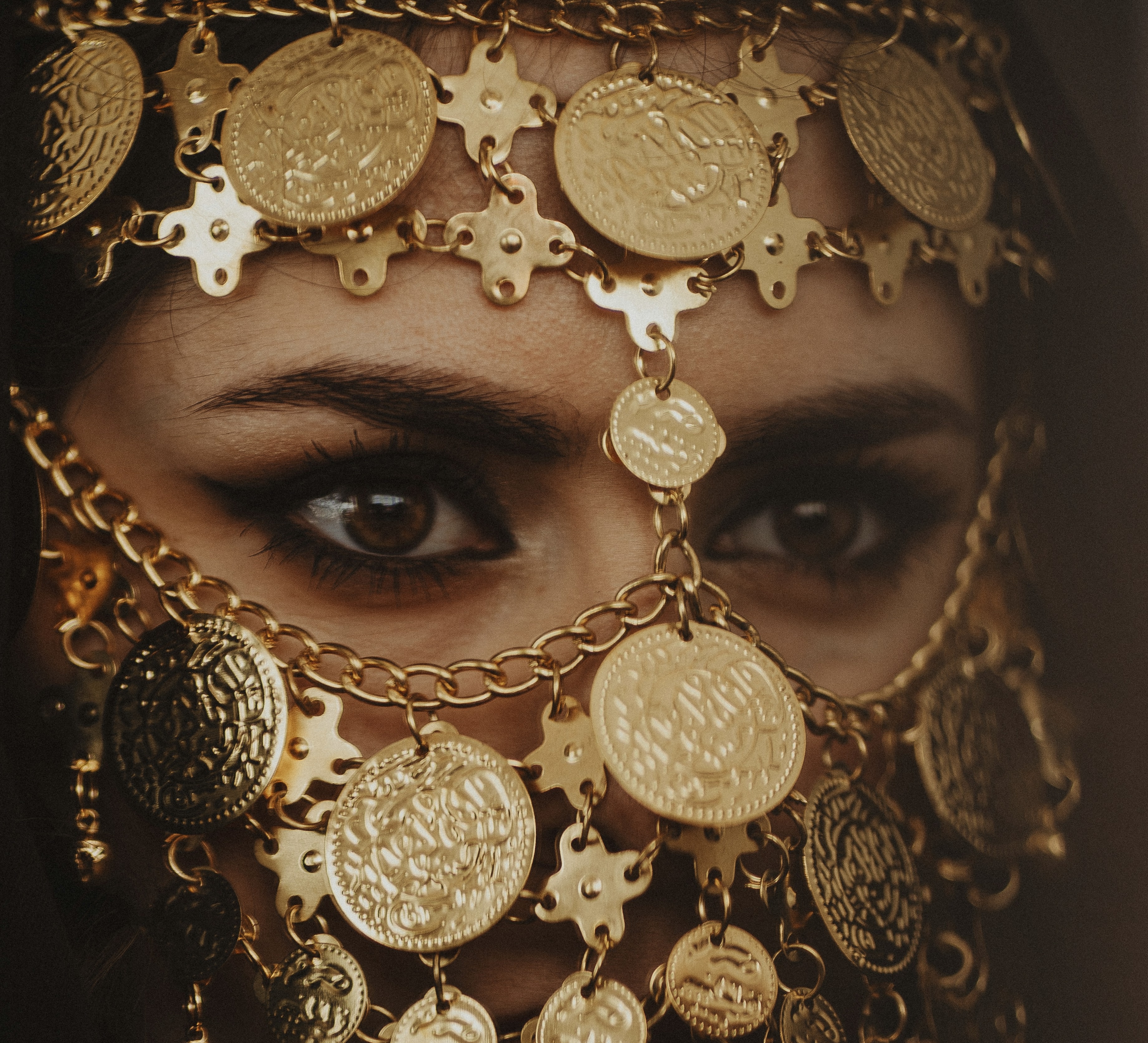
Journalist Zahra Hankir, author of the bestselling book Eyeliner: A Cultural History, reminds us that archaeological evidence indicates the use of kohl at least 5,000 years ago! It could be considered one of the first decorative cosmetics on the planet. It was used in ancient Egypt and Mesopotamia. Kohl served as protection against the sun, eye infections, and, according to beliefs, against "spiritual harm" such as the evil eye. Through trade routes and migration, kohl spread from North Africa and the Arabian Peninsula to Persia and Asia. In each region, it acquired its own characteristics, but retained its symbolic significance. Few cosmetic traditions have such a long history.
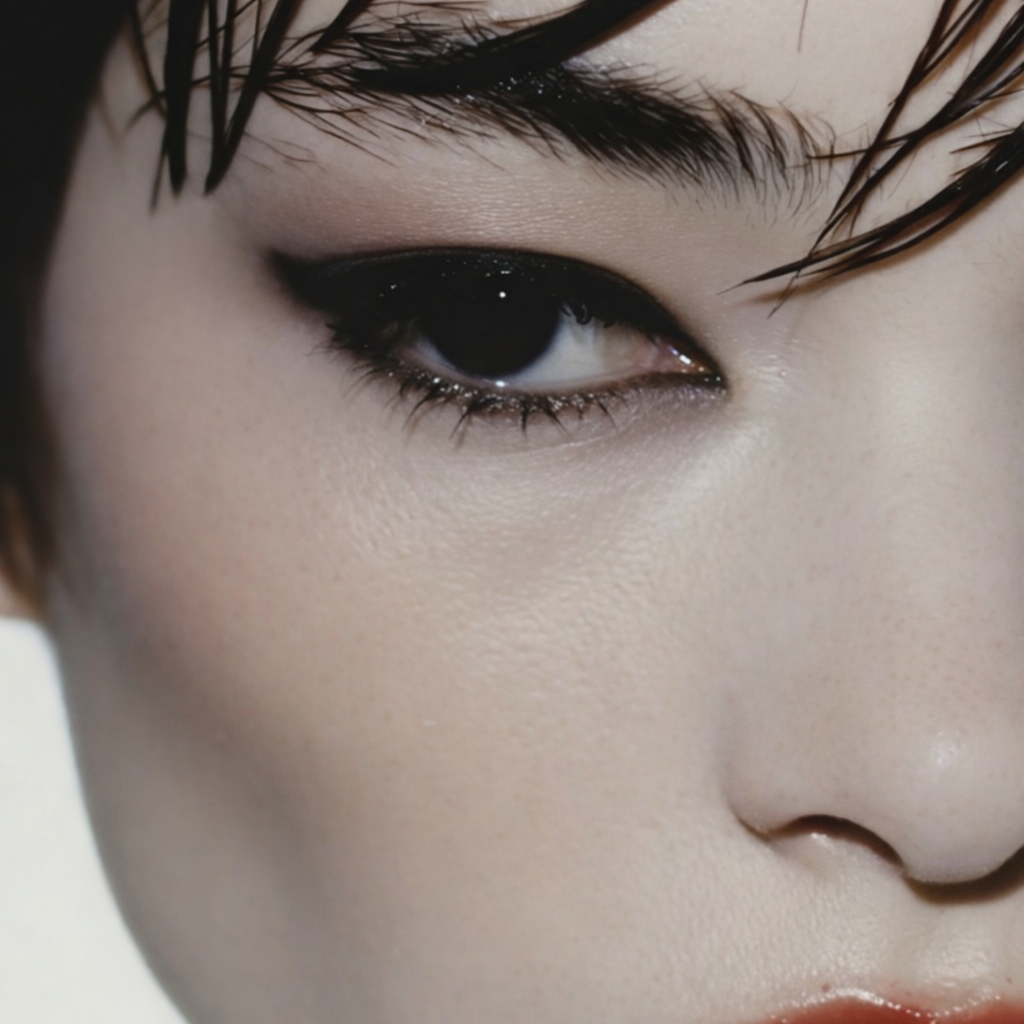
Traditionally, kohl was made from natural materials. Galena was most commonly used, as were antimony, soot, burnt plants, and crushed stones. The ingredients were ground and washed, then stored in decorated vessels and applied with thin sticks or brushes. The process itself was often intimate and passed down from generation to generation, primarily among women. In regions experiencing conflict and forced displacement, the making and wearing of kohl took on added meaning. It is a form of silent cultural preservation, a kind of act of remembrance.
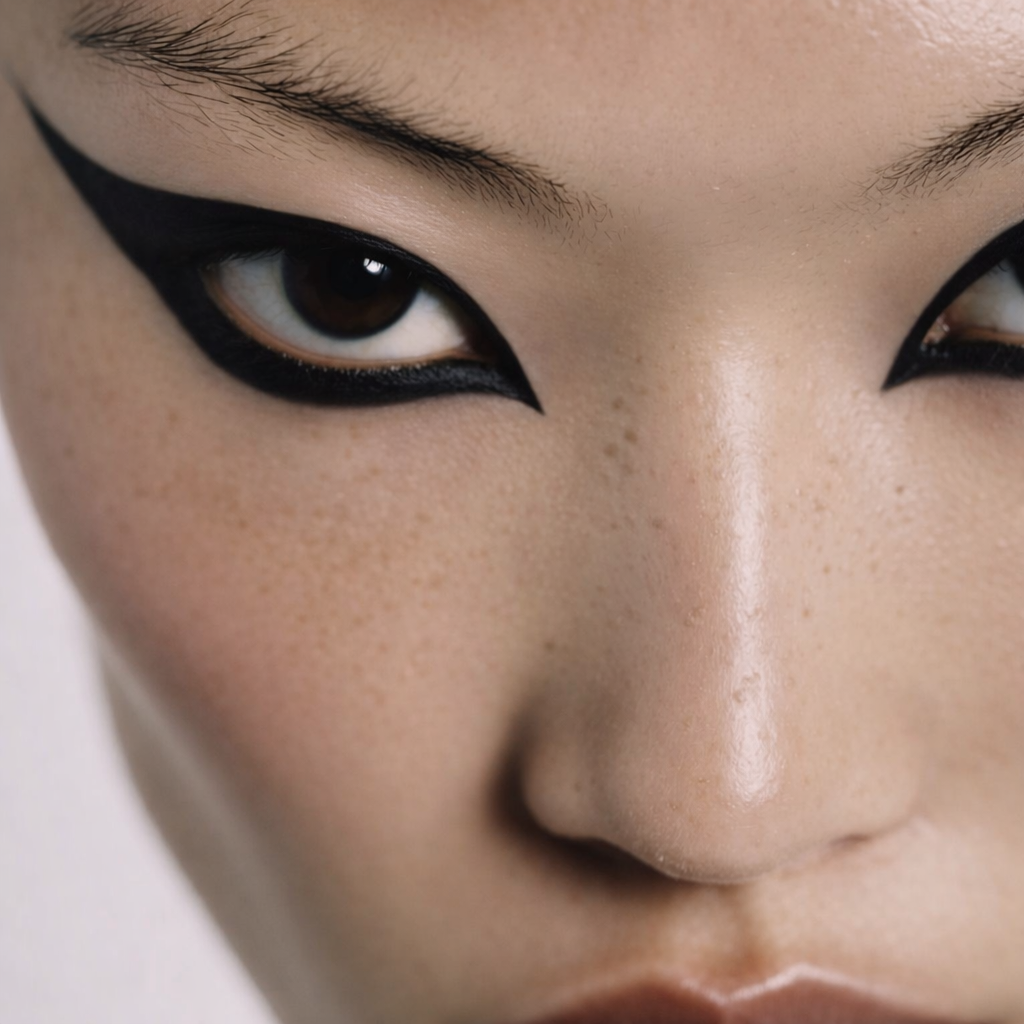
Modern "kohl" is essentially a soft, rich eyeliner pencil that has lost its ritualistic and ethnic significance. Makeup artists use it for both classic "Arabic-style" application along the inner eye contour and for more graphic looks with winged lines and shading.
Kajal pencils are very long-lasting and often contain antiseptic ingredients, making them safe to apply to the mucous membranes. They don't irritate or cause discomfort. Their softer, almost creamy texture allows them to glide over the mucous membranes without pressure. The line is intense from the first stroke, making them ideal for evening makeup. If you're looking for an expressive, rich look with soft shading and intense color, kajal is a reliable tool.
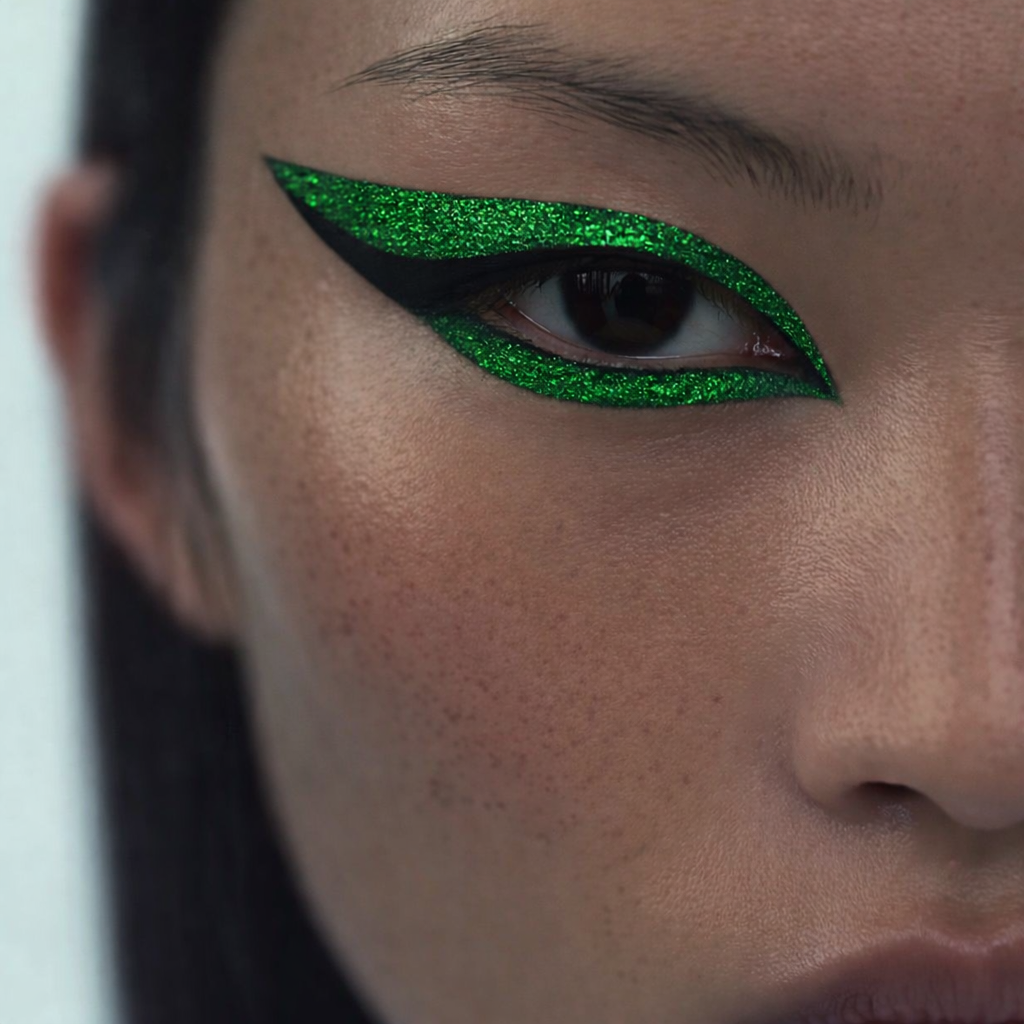
Among the key catwalk beauty trends for spring/summer 2026 is a rejection of the clean-girl aesthetic and a return to the party girl look of the 2000s, with an emphasis on bright and graphic eye makeup, including the use of kohl pencils. This is a nostalgia for a time before the total dominance of social media and party makeup that didn't strive to look flawlessly filtered. The beauty industry has heard this demand. We're talking about makeup with confident winged eyeliner and slightly clumped lashes—the kind you'd look at 4:00 AM after dancing at a club. This approach to makeup is more sensual and freeing, just what's needed for the "post-perfect" era.